

A Week on Fast‑Forward Link to heading
It’s Tuesday morning and Lena is checking the news. The app wants to be helpful: “Want the short version?”
She taps yes. A knot of headlines compresses into five neat sentences. History becomes “context,” conflict becomes “stakeholders,” grief becomes “community impact.” She has the gist in under a minute, and a ribbon of achievement flickers somewhere behind her eyes.
During stand‑up, someone mentions negotiations in a country Lena has never visited. She remembers the summary; she doesn’t remember names. At lunch she meets a colleague from Nairobi and says something that sounds right because it matches a sentence she half‑read. The smile she gets back is patient, polite, final. Later she tries to message a friend about a film she loved in college and finds she can only recall the logline. The scene with the rain? The music at the end? She can see the outline, not the thing itself.
Summaries keep arriving. Podcasts “in 10.” A book “in 15.” A thread “in 8.” There is a sweetness to it—no friction, no weight—and a quiet aftertaste she can’t name.
The first time Lena notices the cost is at the grocery store. She is cooking for her neighbor, Mr. Vargas, who grew up in Oaxaca and is observing a festival that her app has reduced to two sentences and an emoji. She shops with confidence, then hesitates in the aisle with the masa and the chilies. The summary did not cover ingredients that matter to his family. She texts a question, deletes it, and buys what the list suggests. At dinner he is gracious. He tells a story about how his mother ground corn before dawn so the tortillas would be ready by light. Lena smiles and nods. Later, she can’t remember a single detail of the story, only that it was “about tradition.”
The next day she tries to bridge two articles—one about water theft, one about a semiconductor plant—and feels the bridge wobble. The connections that used to form on their own now skid on the surface. Between pieces of information, there is less “stick.”
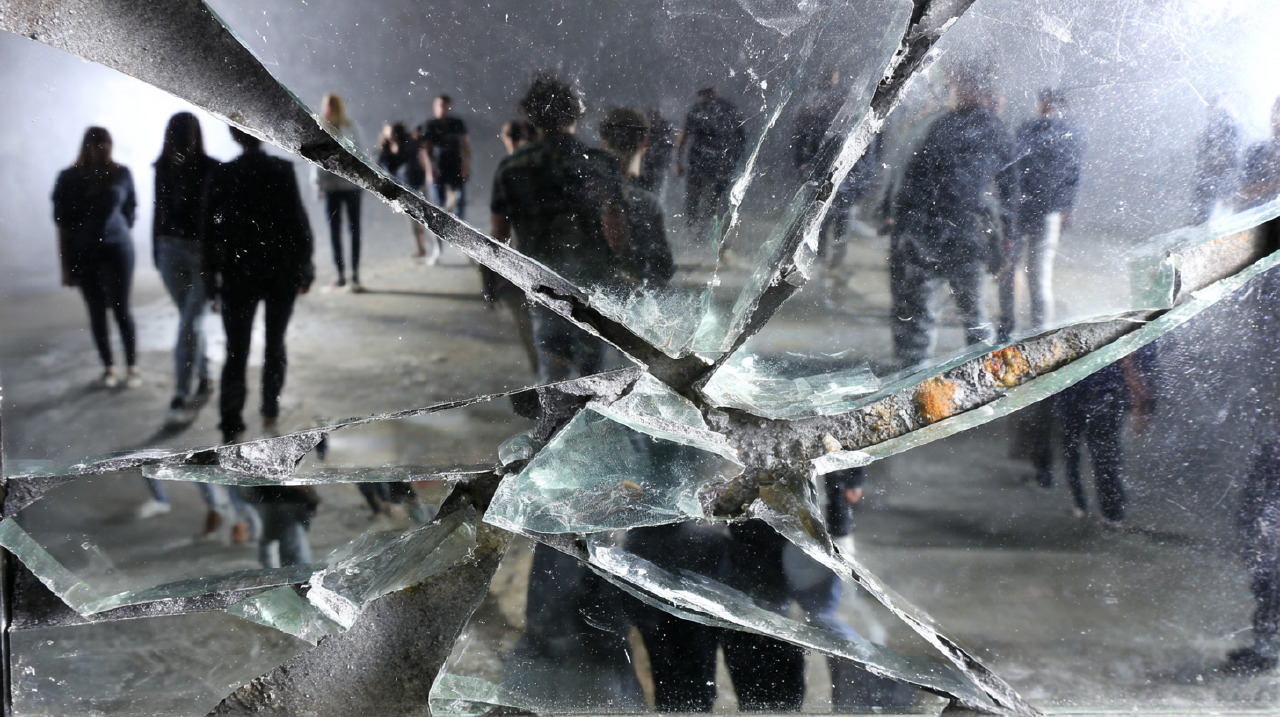
She isn’t less intelligent. She is less textured. The world has turned into an executive brief with the edges filed down.
A line to keep
You don’t get bored anymore. But do you still get absorbed?
Where the Edges Go Link to heading
A week later Lena walks through a small museum. There is an exhibit of hand‑written letters from an artist who lost a friend. The museum placard is two paragraphs; the letters are forty pages of crossings‑out, small refusals, and sudden clarity. She reads one page slowly, then another, and feels the shape of a life come forward. The letters don’t ask to be skimmed. They have weight. They don’t summarize grief; they let it breathe.
On the train home, the app offers the day’s “5 key takeaways.” She declines without knowing why.
What does frictionless do to meaning? It keeps the hands clean. It trims context to the size of a screen. It makes every topic equally manageable. When the surface is always smooth, experience doesn’t grab you; it slides.
We build our private sense of the world by wrestling with it—by spending time with things that resist easy digestion. When the resistance goes missing, so does the slow work of association. You can still recall facts, but you can’t quite connect them. You can still speak, but the sentences feel borrowed.
Meaning isn’t a single insight. It is the secret pattern between insights, discovered over time.
The quiet arrogance of 'I got the gist'
Summaries feel like freedom because they save time. They also smuggle in a lens. Someone chose what counted as “key,” what could be renamed, what to omit. Assuming you still hold the whole picture after that is a kind of arrogance. One that’s confident, unexamined, and hard to pin down when the tone sounds neutral.
Designing the Shortcut Link to heading
At work, Lena helps ship a feature that “summarizes any page.” People love not having to scroll. The team dashboard lights up.
Then signals arrive from different directions:
- In a pilot educators’ channel, a teacher reports strong class participation—students debated the summary instead of the text. It felt efficient, she writes, “but thinner.”
- In the public user forum, Lena reads a cheerful thread: “Love the summaries—now I never miss the gist!” Replies pile up with heart emojis. At first it’s validating. Then she notices a pattern: the posts quote the same sentences, in the same order, across very different articles. Proper names vanish. Moral weight softens into “stakeholders.” A conflict that is asymmetrical becomes “both sides clashed.” The feature is consistent; the world is not. The more people praise the convenience, the more their language flattens.
- A community organizer writes to customer support: the digest removed the passage that explained why a policy would hit one neighborhood harder than others. “The bullets are accurate,” he says, “and also wrong.”
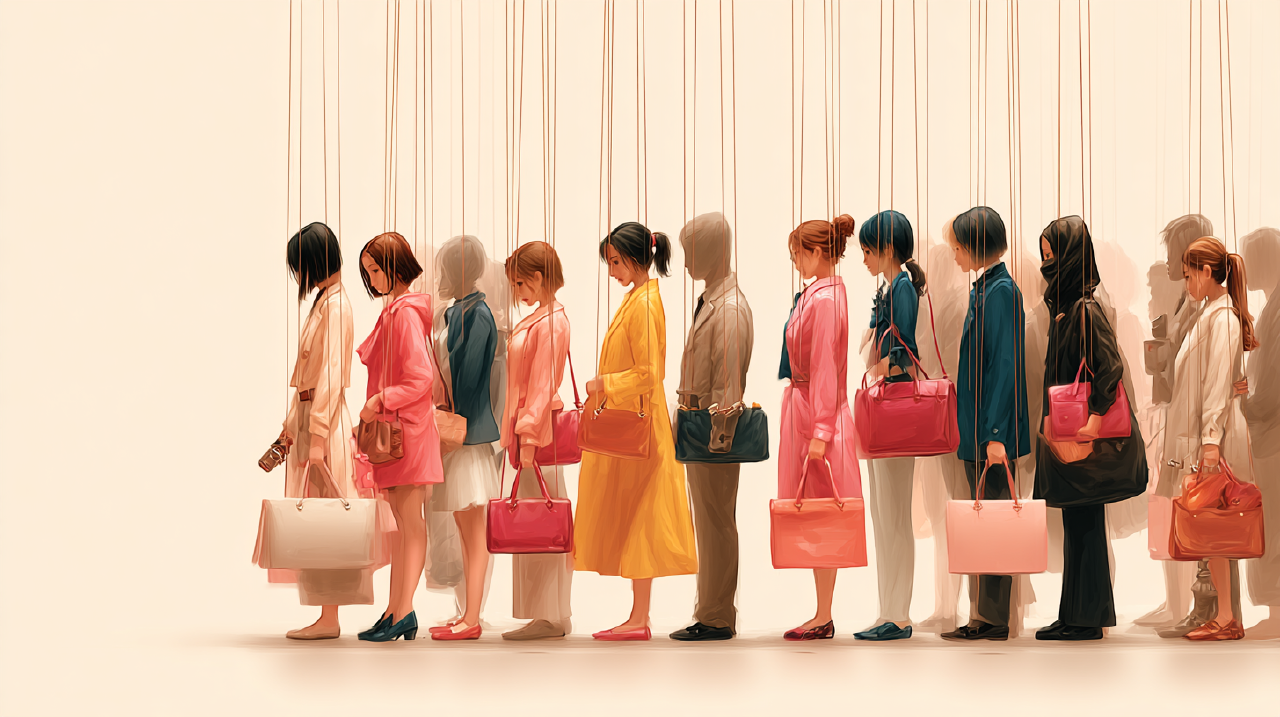
Lena scrolls back through weeks of forum praise and feels a small drop in her stomach. The impact isn’t a single failure. It’s a drift. Over time, the summaries nudge readers toward a tone where pain becomes “impact,” power becomes “perspective,” and decisions feel pre‑digested.
She looks at her own spec and sees the same assumption: we decide what matters. The lens was never declared; it was embedded. It was sold as help and quietly became a habit.
That night she opens the book she once loved and reads the last chapter aloud. The logline is still true, but now she hears the way the author lets a sentence stall and restart, the way a paragraph holds its breath, the way a single image carries more than three tidy points. She writes one note in the margin: Hold for the part that resists.
Practice: The One Link
After any summary you consume, follow one link into the full source. Read for 7–15 minutes, phone on airplane mode. Ask: Which details complicate the gist? Which names, sequences, or caveats change the stakes?
Why it helps
Summaries compress; meaning expands in context. One deliberate hop reintroduces texture—names, timelines, cause and effect—so your mind can form connections that stick.
The next morning she tweaks her product spec. Not a manifesto, just a few stubborn choices:
- The “share” button appears only after a short dwell, so you can’t circulate what you haven’t met.
- Quotes show by default. Bullets sit behind a tap.
- A “teach me the basics” lane sits alongside “catch me up,” so new readers get foundations before hot takes.
They are small frictions. They don’t scold. They change how people arrive.
Practice: The Unskippable Chapter
Pick one long thing a week that you will not summarize: a chapter, a documentary, a speech. Read or watch it in one sitting. Write a three‑sentence note to self about how your view shifted.
For designers & PMs
Make absorption measurable. Track dwell on sources, not just clicks. Offer “slow lanes” alongside “fast lanes.” Replace “Did you find this helpful?” with “What question did this raise?”
Small Frictions, Real Freedom Link to heading
A few weeks later Lena visits Mr. Vargas again. This time, before shopping, she reads two recipes that disagree and a short essay about why. She calls to ask which variation his family follows and if she can help with prep. He laughs and tells her to come early. In his kitchen she learns how to press dough with a rhythm she can’t mimic at first. She fails, then gets it, then doesn’t, then does. The tortillas puff imperfectly. He tells another story and this time she remembers details—the hour, the smell, the joke about a cousin who always burned the first one because he was impatient.
When she leaves, she doesn’t have a “takeaway.” She has an image and a rhythm in her hands. She has a connection she did not have when the world was only a set of blurbs.
Meaning doesn’t vanish all at once. It thins. When every path is greased, the mind forgets how to climb. The good news: it remembers quickly. A little resistance wakes it up. A short pause before forwarding. One full page after the digest. An invitation to ask a person, not just a platform.
We don’t need to outlaw summaries. We need to stop treating them as reality and start treating them as doorways. Behind them is the place where understanding lives: places, dates, names, and the slow negotiation between them. That’s where nuance hides; that is where agency returns.
Freedom, in this sense, isn’t speed. It is the ability to choose your attention with your eyes open, to feel the difference between a map and a walk, to accept a little friction because that is what lets the world leave an imprint.
If you try any of this and it feels awkward, you are close. Awkward is what learning feels like from the inside. Stay with it long enough to remember the thing summaries can’t hold: the weight of experience, and the way it changes you.