
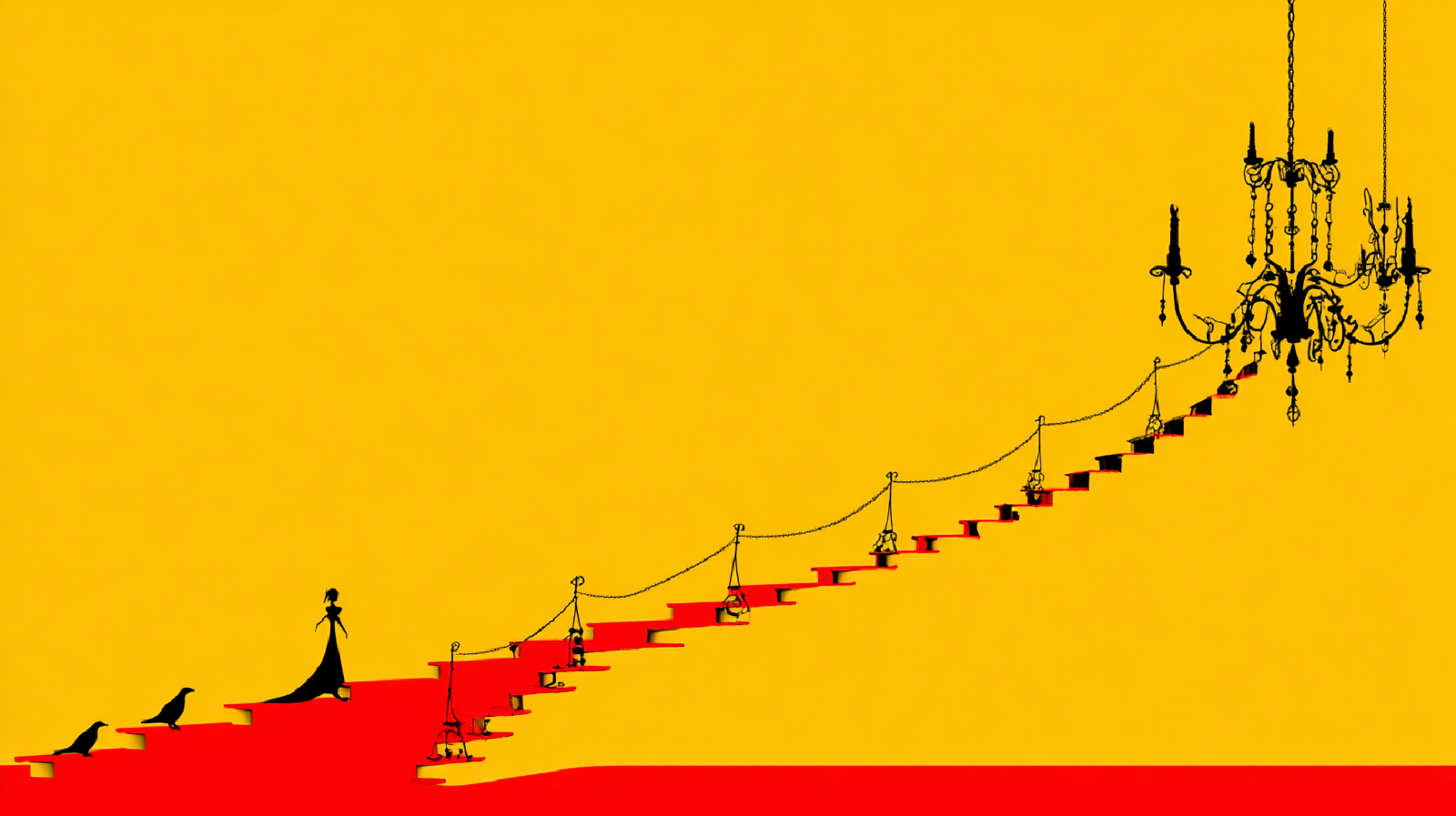
The problem isn’t information. It’s the route. Link to heading
Shallowfication is what happens when the default route through information has no off-ramps.
You see a lot. You react a lot. You rarely arrive anywhere. You keep moving because the road is built for motion, not comprehension.
This isn’t a self-control morality play. It’s a systems issue that shows up inside your head first: familiarity starts to feel like understanding, speed starts to feel like progress, and constant input starts to feel like being alive.
Drive-by knowledge Link to heading
In theory, we’re more “informed” than any generation before us. In practice, we often skim a headline, absorb a vibe, and walk away with the confidence of someone who read the whole paper.
That confidence is the weird part. Italian economist Carlo Cipolla had a blunt point about human stupidity: people can cause harm without malice, simply by acting on half-formed certainty. The modern version isn’t fewer facts. It’s more facts, less digestion, and a growing gap between what we think we know and what we actually understand.
Shallowfication lives in that gap. It turns learning into recognition. You scroll past a dozen “takes,” your brain tags them as familiar, and you mistake that tag for insight.
Notification traffic Link to heading
If you want to watch shallowfication in real time, watch your attention.
A normal workday now looks like a city with too many intersections and no right-of-way rules. Email, chat, calendar, feed, headline, back to chat. Your brain isn’t a packet router, but we keep loading it like one.
Each interruption feels small. The combined effect isn’t small. You end up doing a lot of switching and very little thinking. You stay busy. You lose the thread.
This is also why short-form content hits so hard. It fits the current road design: quick on-ramp, quick exit, no need to park.
A public self, compressed Link to heading
Online, we also compress ourselves into signals. We post the clean version. We measure the response. We adjust. That loop isn’t evil. It is just an incentive system.
Platforms reward speed, clarity, and emotional punch. Nuance takes longer and travels worse. If you try to write a careful thought, the interface often treats you like you’re double-parking.
So we adapt. We become efficient. We become legible. We become a bit thinner.
Tools that remove stopping points Link to heading
The same pattern shows up outside social media.
Dating apps can make people feel like items in a catalog. Swipe, match, message, stall, repeat. Convenient, yes. Also a little bleak. The interface trains you to keep shopping.
Shopping apps do something similar with one-click checkout and endless recommendations. They reduce deliberation to a brief moment of friction, then remove that too.
And at work, the toolchain often turns into a shallow-work factory. Cal Newport’s phrase lands because it describes the lived feeling: lots of motion, little depth, and a quiet suspicion that the important work is getting squeezed out by the urgent work.
Reflection became optional Link to heading
Education and reading have not been spared. Maryanne Wolf has warned that screen-based reading can bias us toward skimming. You don’t need a study to feel that effect in your own body. Try reading a long essay after a week of short clips. The first few minutes can feel like withdrawal.
Even emotional life is getting “optimized.” Sherry Turkle has written about what we lose when we replace slow, present conversation with faster, thinner substitutes. You can call it progress. You can also call it a trade.
The absurdity is simple: we built a world with near-infinite access to ideas, and we keep using it like a high-speed bypass. We don’t slow down long enough to let anything rearrange us.
Next we’ll widen the lens. A population trained on speed and surface is easier to steer, and the steering is already happening.